Wireless Magnetometers vs. Inductive Loops: Which Vehicle Detection Is Right for Your Site?

If you're specifying vehicle detection for a gate, drive-thru, parking area, or traffic application, you have a real choice to make. Wireless magnetometer systems are marketed heavily as the modern, cable-free upgrade, while inductive loops have been the dependable workhorse since the early 1960s. Both detect vehicles reliably, but they do it in completely different ways, and each one belongs in different places.
The technical difference comes down to what each sensor actually measures. A wireless system's magnetometer passively senses disturbances in the Earth's ambient magnetic field caused by a vehicle's ferrous metal. An inductive loop, by contrast, carries an electrical current and detects the shift in inductance that occurs when a vehicle's metal mass passes over the buried wire. The right choice depends on your site, your budget, and your pavement, not on the marketing.
How Each Technology Detects a Vehicle
A wireless magnetometer is a small, self-contained sensor, typically installed in or on the pavement, that must first be "taught" the site's typical magnetic conditions, meaning no vehicle can be present during calibration, after which it activates automatically whenever a ferrous mass enters its detection zone. An inductive loop system has three components: one or more turns of insulated loop wire wound in a shallow slot sawed in the pavement, a lead-in cable to the controller cabinet, and an electronics unit that energizes the loop at frequencies between 10 kHz and 200 kHz; when a vehicle passes over or stops within the loop, the resulting inductance shift sends a pulse to the controller signifying the vehicle's presence.
| Wireless Magnetometer | Wireless Magnetometer | |
|---|---|---|
| Installation | Small drilled hole, no trenching | Saw-cut into pavement, or buried before a pour |
| Cost | No conduit runs; quick commissioning | Low-cost wire, but conduit adds cost with distance |
| Maintenance | Battery swap every 8-10 years | No routine service; replacement means pavement work |
| Reliability | Can miss motorcycles; sensitive to drift and snowplows | Proven for decades; consistent across all vehicle types |
| Best fit | Drive-thrus, car washes, loading docks, remote detection points | Gates, intersections, toll and parking access |
When Wireless Detection Makes Sense
Wireless magnetometers earn their place honestly: installation is fast and minimally invasive. A UK motorway trial found installing and replacing magnetometers "far less onerous" than loops in time, cost, and traffic management, with no damage to the road surface, which makes them attractive for deteriorating pavement where a saw-cut risks cracking, bridge decks where embedding a loop isn't structurally possible, and cold-climate sites that need flush or below-grade mounting to dodge snowplows, while also saving real money when the detection point sits far from the controller, since wireless models eliminate the conduit runs that drive up loop installation costs. Typical strong applications include car wash entry queues, drive-thru lanes, loading docks, and parking detection.
Why Inductive Loops Remain the Standard
Wireless sensors solve specific installation problems, but loops still do the everyday work. Inductive loops have been the most utilized sensor in traffic management since the early 1960s because they deliver accurate, repeatable detection that doesn't depend on a calibration baseline, a battery, or a clean radio environment. You don't have to swap batteries on an 8-10 year cycle, relearn ambient magnetic conditions, or worry about detection performance varying across vehicle types, including smaller vehicles like motorcycles, which magnetometers can find difficult to detect. A properly installed loop system routinely outlasts the surrounding pavement.
Which Should You Choose?
Choose a wireless magnetometer if:
- You can't cut the pavement, or the pavement is already deteriorating
- Your detection point is far from the controller and conduit costs are climbing
- It's a drive-thru, car wash, loading dock, or similar commercial application
- Lane downtime during installation must be kept to minutes, not hours
Choose an inductive loop if:
- You need maximum detection consistency across all vehicle types, motorcycles included
- You're paving or repaving; direct burial before the pour is the easiest install there is
- You want zero batteries, zero calibration, and zero dependence on ambient magnetic conditions
- The loop feeds a gate controller, barrier arm, or signal that cannot miss a call
Ready to Get Started? Browse Our Loops!
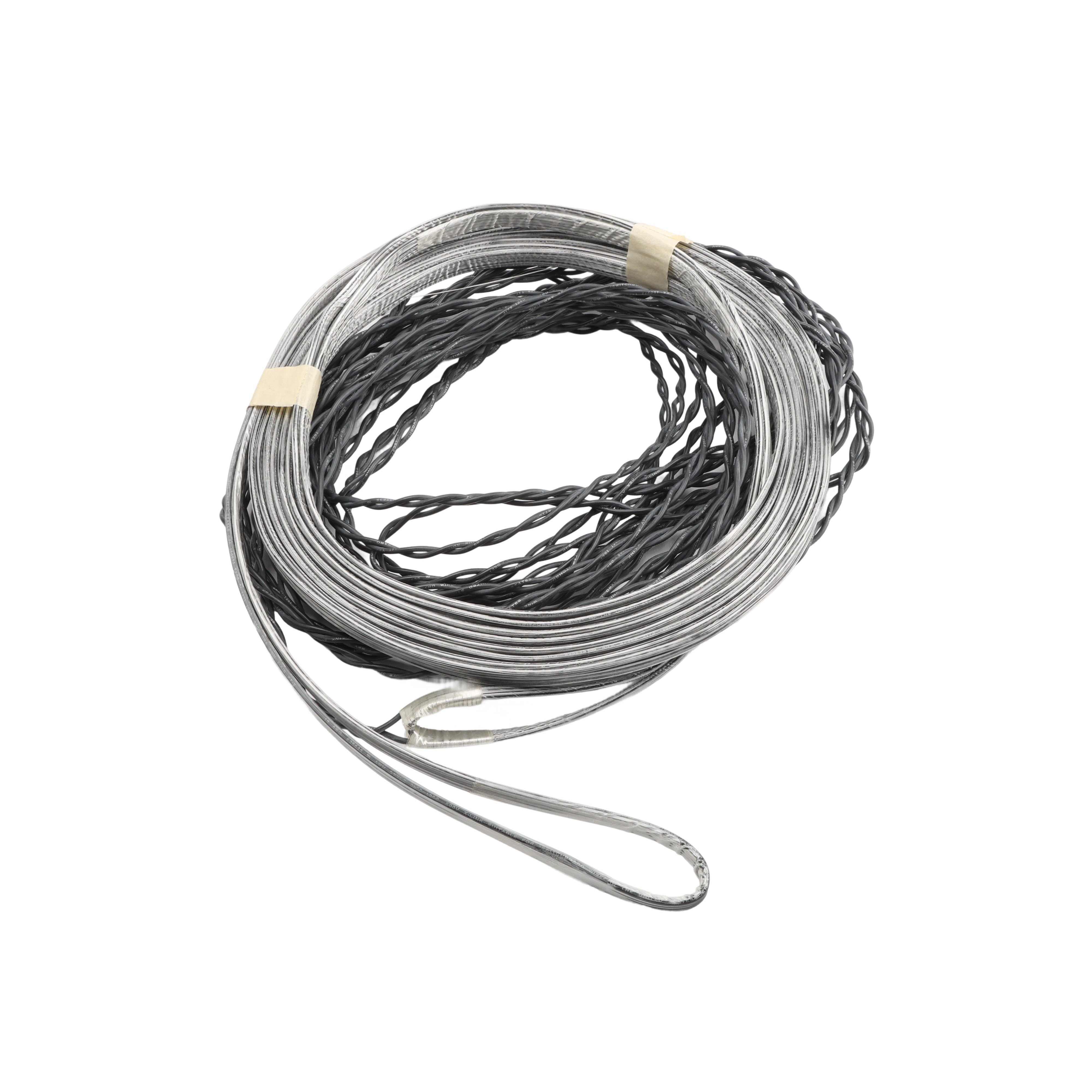
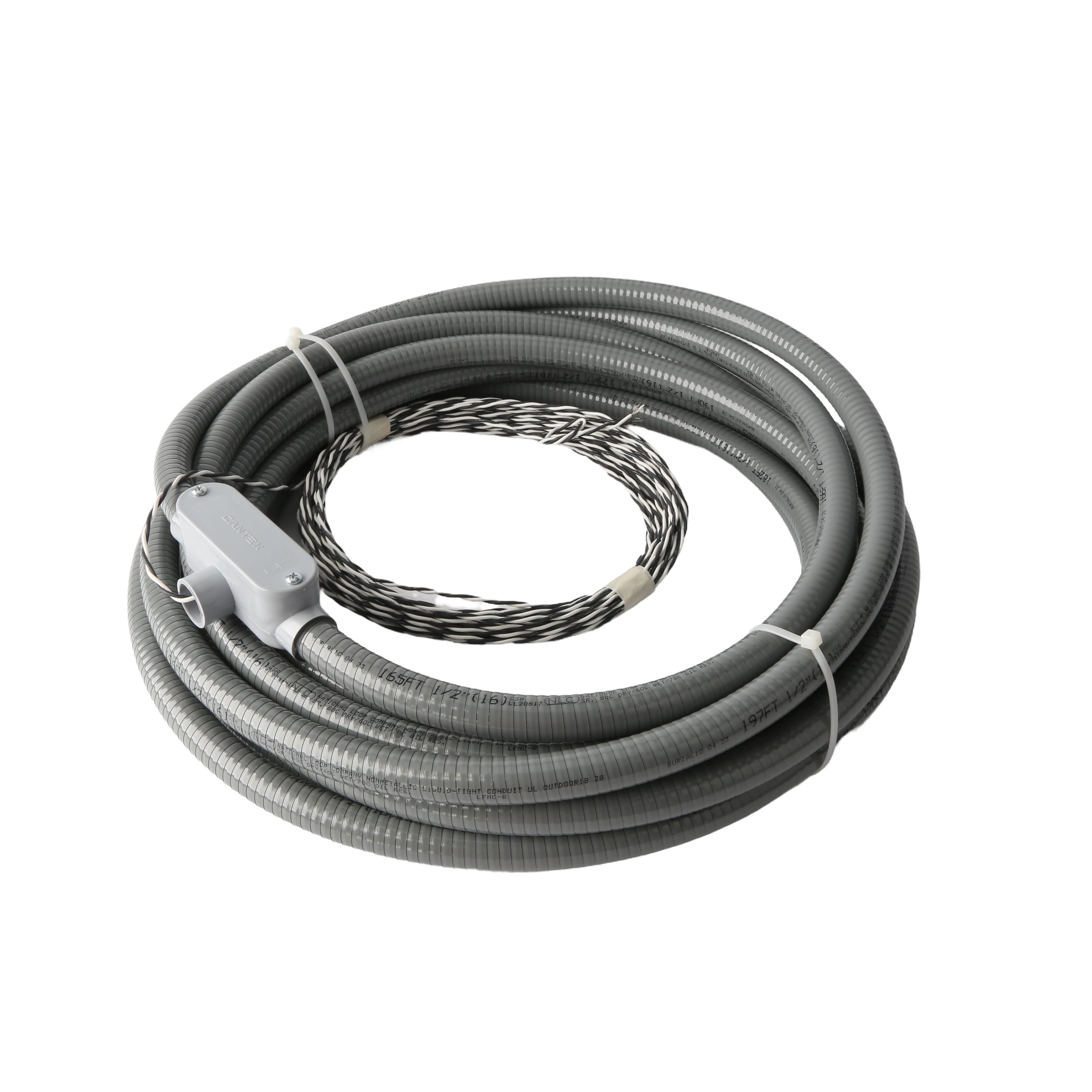
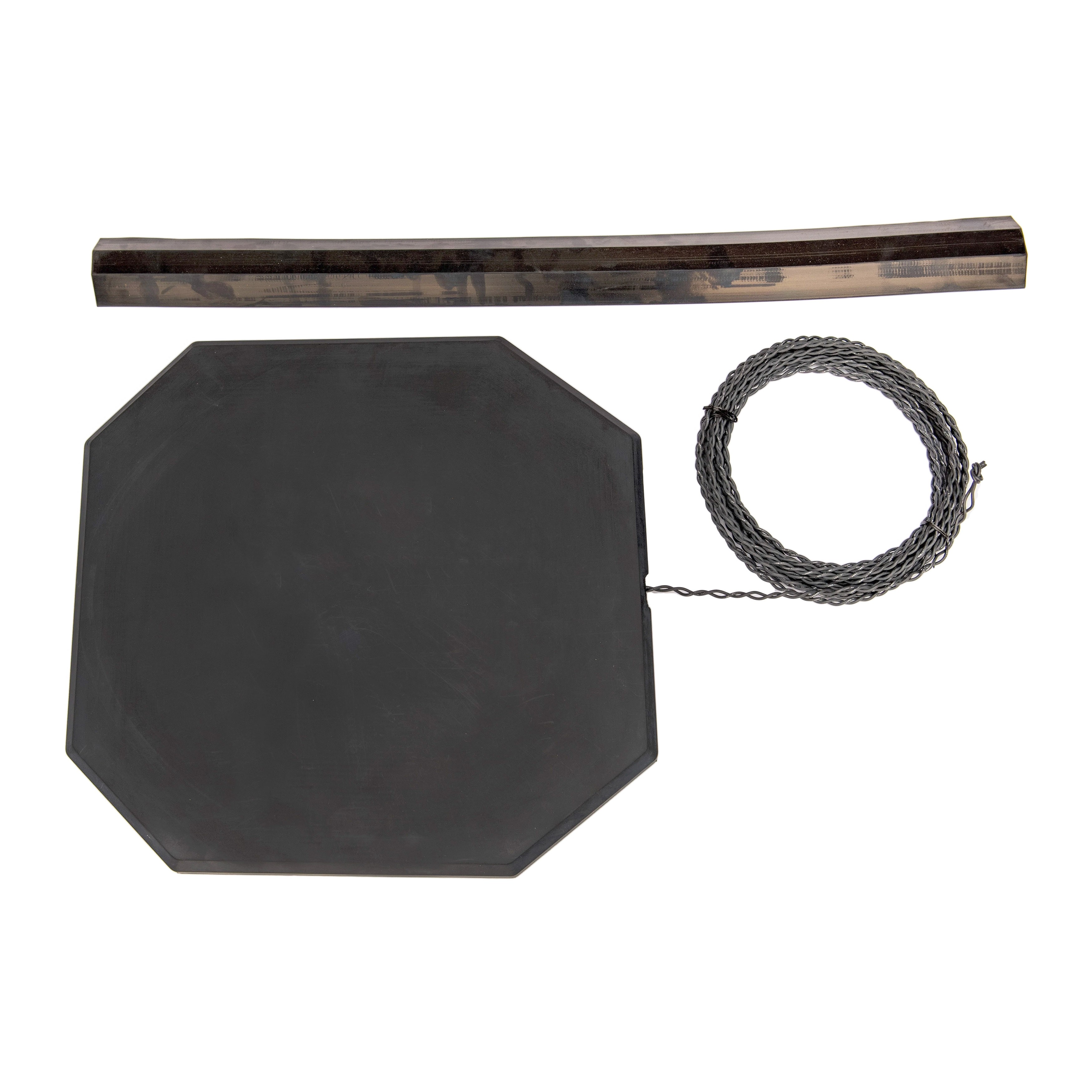

The wrong detection technology means callbacks, lane downtime, and failures tied to your site's specific weather and pavement. If a loop is the right answer, start with American-made preformed loops built for your exact application.
If you have any further questions, please reach out to our representatives. They are happy to help in any way they can!
Contact Us