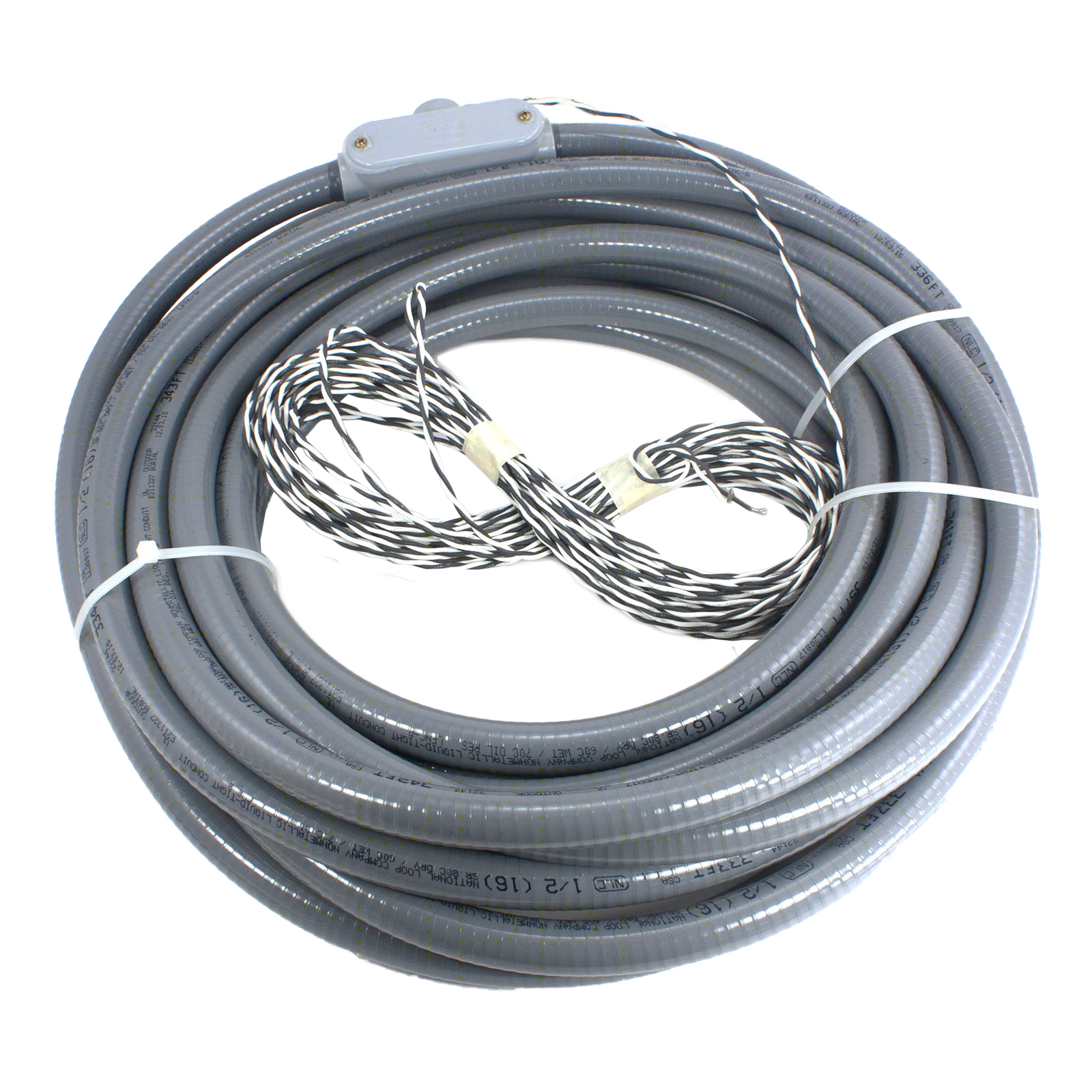


Vehicle Loops Glossary of Terms
When purchasing a vehicle loop, there's a number of terms to know that can sometimes be confusing to understand. Beyond things like voltages, it's important to really understand what each term means to get the best possible product for your residential, commercial, or even industrial gate opener installation. To better understand the terminology used to describe vehicle loops and their characteristics, here is a brief glossary of terms:
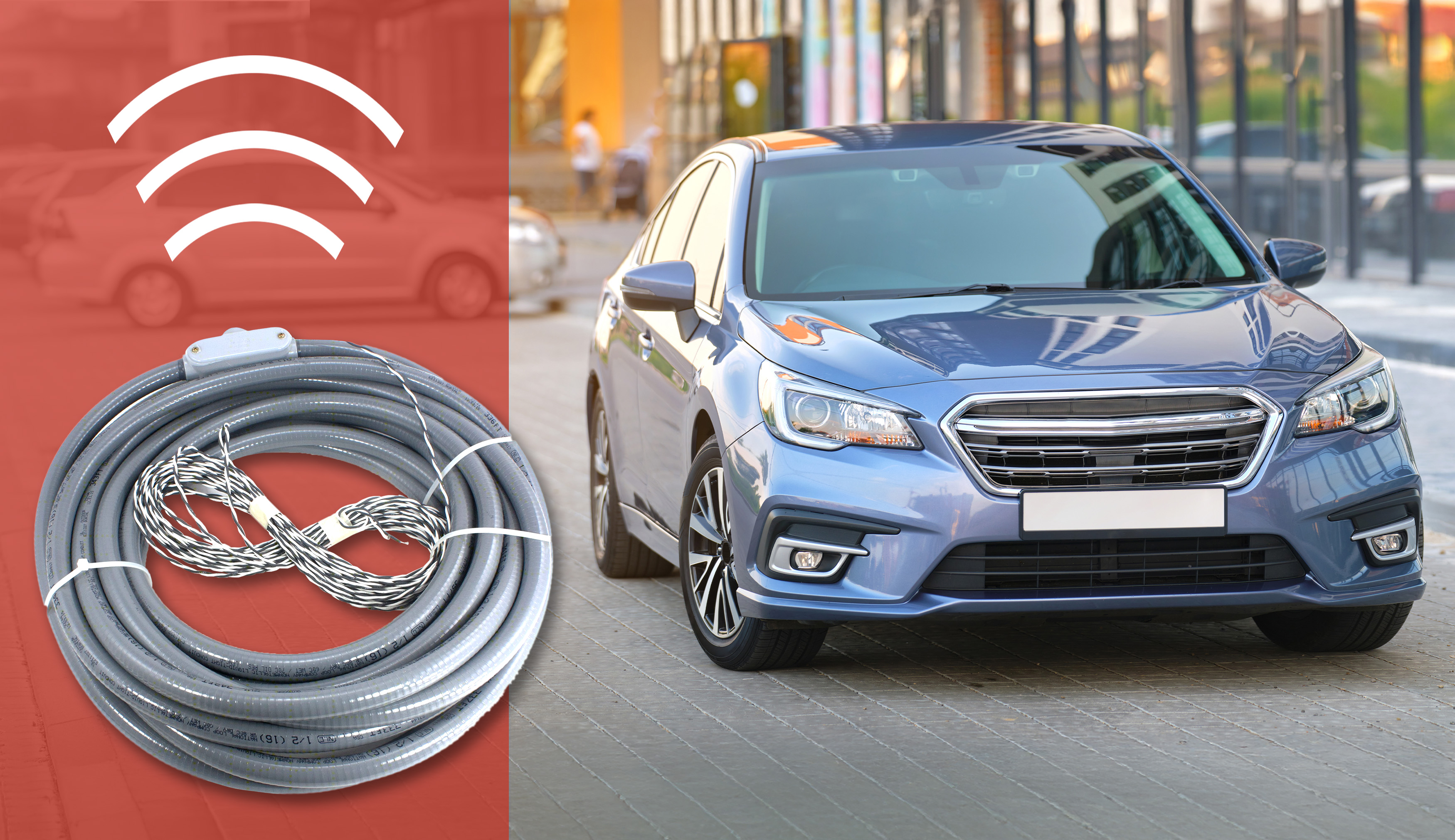
Types of Vehicle Loops
| Term | Definition |
|---|---|
| Saw Cut Loop |
|
| Direct Burial Loop |
|
| Surface-Mounted Loop |
|
How Vehicle Loops are Built and Work
| Term | Definition |
|---|---|
| Preformed Loop |
|
| Continuous Loop |
|
| Inductive Loop |
|
Vehicle Loop Components and Installation Accessories
| Term | Definition |
|---|---|
| Loop Detector | The device that all vehicle loops plug into to receive and transmit data as well as power. These are typically connected to some sort of barrier entry device such as a gate or garage door opener. |
| Sealant | A type of polyurethane that protects saw-cut loops from air, moisture, debris, and other damaging materials from reaching it below ground. |
| Sealant Dispensing Gun | A large two that evenly and slowly distributes sealant into a crack to prevent spillage or seepage. This is a required tool when installing a vehicle loop. |
| Diamond/Asphalt Blade | A kind of particularly strong blade that is designed to cut into asphalt, concrete, or other high strength materials. This type of specialized blade is required as using any other type to install your vehicle loops could cause catastrophic damage. |
Accessories
Simultaneously Usable Terms
Some terms can be used together because they describe different aspects of the same loop, such as its operating principle, design, or installation method. Here's how they work together:
| Terms | Why They Go Together | Example |
|---|---|---|
| Preformed Loop and Inductive Loop | All preformed loops are inductive by nature because the inductive principle is how these loops detect vehicles. The "preformed" aspect describes how the loop is delivered (already shaped and assembled), while "inductive" refers to how the loop functions by creating an electromagnetic field. | A preformed saw-cut loop operates as an inductive loop because it detects metal objects like vehicles when they disturb its electromagnetic field. |
| Saw Cut Loop and Continuous Loop | Saw cut loops can be designed as continuous loops. The term "continuous" describes a loop built from a single, unbroken wire, which increases reliability and reduces failure points. "Saw cut" refers to the installation method (cutting grooves into the pavement to embed the loop). | A continuous saw cut loop is a loop installed into pavement using a single unbroken wire for long-term durability. |
| Direct Burial Loop and Continuous Loop | Direct burial loops can also use continuous wire construction for the same reasons as saw-cut loops - improved durability and reduced failure points. The term "direct burial" describes the installation method (buried underground before paving), while "continuous" refers to the loop's design. | A direct burial loop with a continuous wire design is ideal for long-term installations where maintenance access may be limited. |
Mutually Exclusive Terms
Some terms cannot be used together because they describe fundamentally different installation methods or applications. Here's a breakdown:
| Terms | Why They Are Different | Example |
|---|---|---|
| Saw Cut Loop and Direct Burial Loop | Saw-cut loops are installed into grooves cut into the existing pavement, making them suitable for retrofitting existing roadways. In contrast, direct burial loops are installed below the surface before paving, making them ideal for new construction projects. | If you're working on a newly paved road, you'd use a direct burial loop. A saw-cut loop would be your choice if you need to add detection to an already paved road. |
| Saw Cut Loop and Surface-Mounted Loop | Saw-cut loops are embedded into the surface, requiring cutting into the pavement, while surface-mounted loops sit on top of the surface and are attached using adhesives or fasteners. People often choose surface-mounted loops for temporary installations or when pavement cutting isn't practical. | A surface-mounted loop might be used for a temporary gate system at a construction site, whereas a saw-cut loop is better for permanent installations in paved areas. |
| Direct Burial Loop and Surface-Mounted Loop | Direct burial loops are installed underground before paving and are typically used in new construction projects, while surface-mounted loops are affixed to the top of an existing surface, making them ideal for retrofitting or temporary setups. | For a newly paved parking lot, a direct burial loop would be installed. However, you would use a surface-mounted loop if you need detection on a finished concrete floor where cutting isn't allowed. |
Complete Guide to Vehicle Loops